Empowering Survivors: Essential Tips and Resources for Cancer Care and Prevention
Cancer is a journey no one wishes to embark on yet many find themselves navigating its complicated terrain. The emotional toll it takes is profound, but understanding your options is the first step toward empowerment. Whether you or a loved one are facing a malignancy, having the right strategies in place for cancer care can make all the difference. In this blog, we'll explore key strategies that are essential not just for managing cancer but thriving in survivorship as well. Have you ever wondered how some individuals emerge stronger from their cancer experience? Let's dive into actionable insights that can illuminate your path.
When embarking on the cancer journey, knowledge truly is power. From grasping your treatment options with the guidance of an oncologist to staying informed about the latest in cancer research, being proactive is crucial. There are so many resources out there, from health blogs to patient support networks, that provide vital medical information. For example, being aware of clinical trials could open new avenues for treatment that you hadn't considered. What is your current understanding of participating in such trials? Could they be a pathway to not only receive treatment but also help advance research?
Next, let’s talk lifestyle changes. We often underestimate the role of wellness in cancer care. Research shows that adopting healthier habits can significantly impact outcomes. This can mean anything from nutrition changes to incorporating exercise into your daily routine. Simple health tips such as switching to whole foods, staying hydrated, and finding a regular exercise regimen can help improve your quality of life. Have you made any changes lately that impact your wellness?
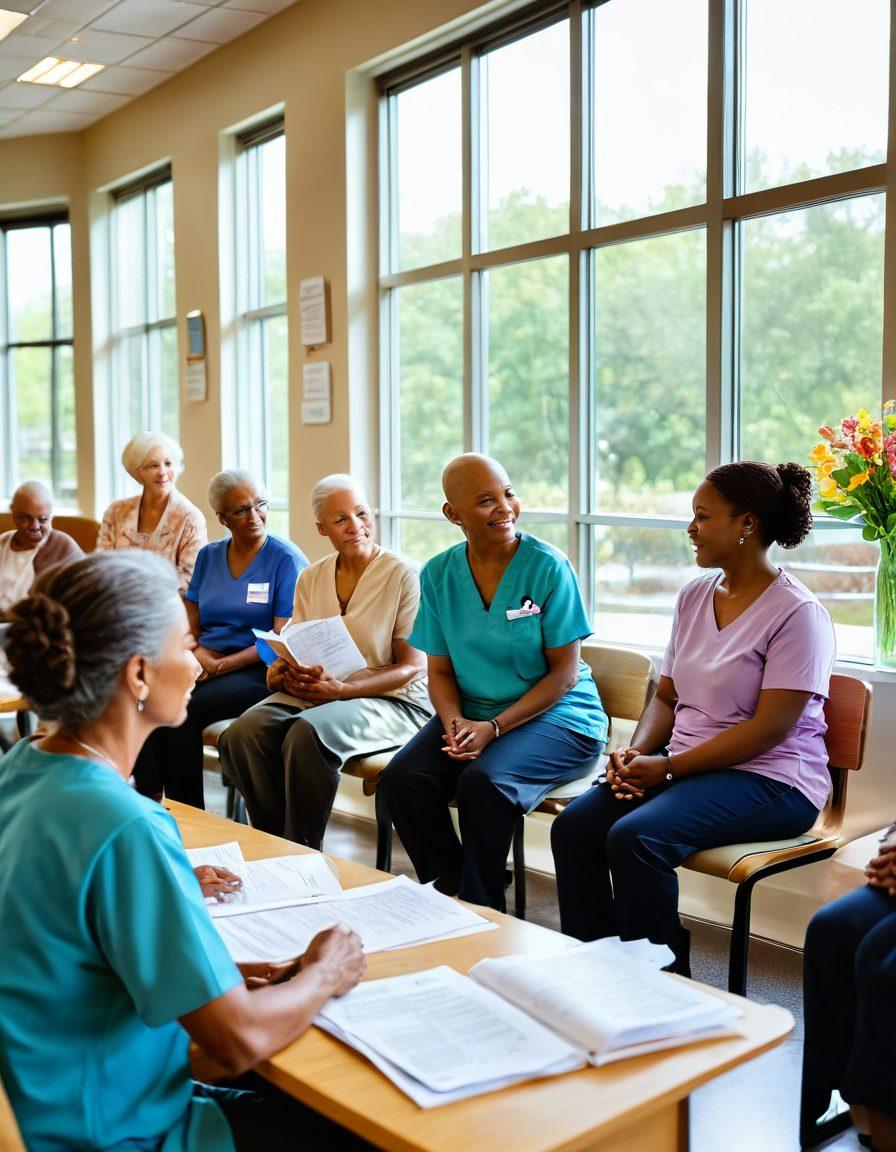
Communication is key throughout this journey. Building a relationship with your oncology team is vital for navigating your treatment plan effectively. Open discussions about symptoms, side effects, and your personal preferences can create a more tailored approach to your care. Patient resources are beneficial in educating you about various aspects of your treatment and the potential side effects that may arise from each option. What questions do you have for your healthcare provider that you’ve hesitated to ask? Remember, your voice matters immensely in your care.
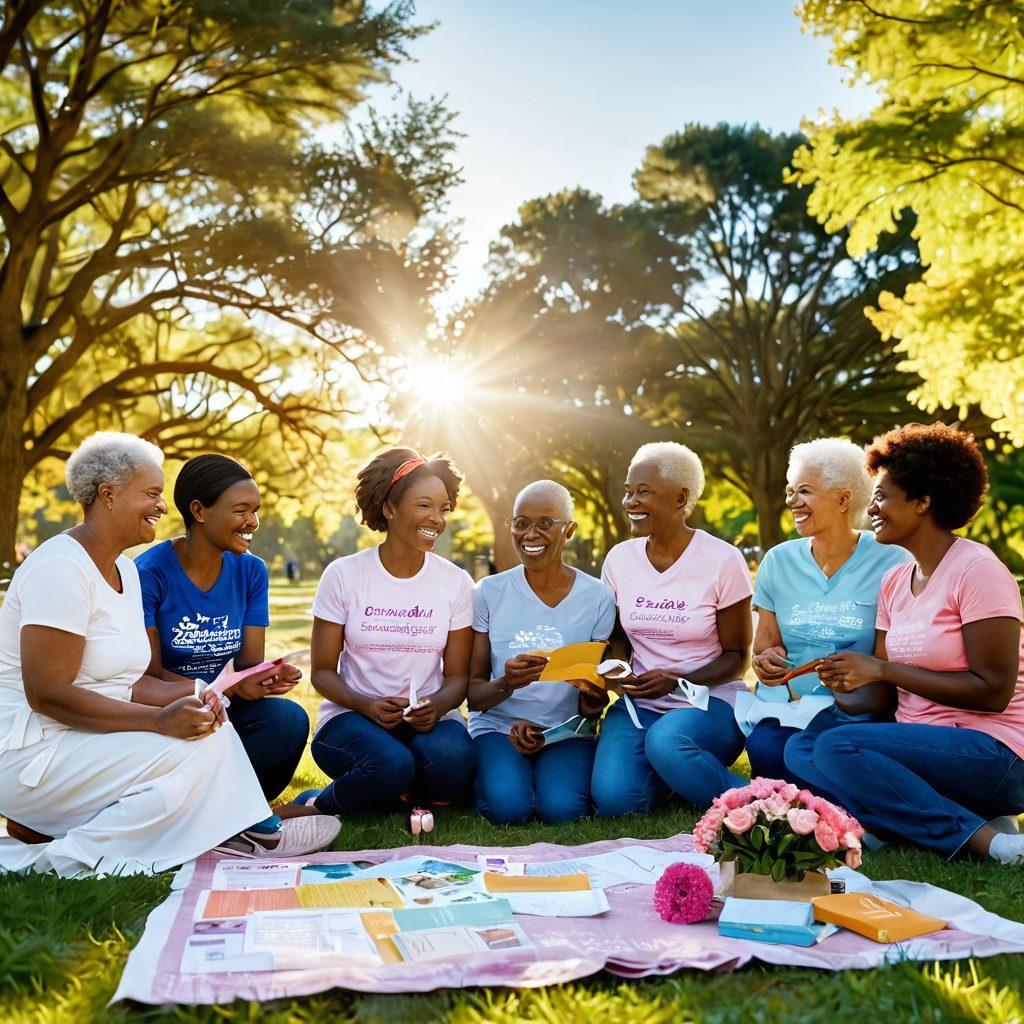
Lastly, never underestimate the importance of community support. Connecting with fellow survivors can provide encouragement, understanding, and shared experiences that can ease the emotional burden. Patient support groups are treasures for those seeking comfort and wisdom from others who have walked a similar path. As you navigate this journey, ask yourself – how can I contribute to the wellness of others facing similar challenges? Through sharing your story or simply being there for someone, your journey can inspire resilience in countless other lives.
Empowering Your Wellness: Essential Lifestyle Changes for Survivors
When you emerge from the storm of cancer treatment, it’s not just about surviving; it’s about thriving. Survivorship comes with its unique set of challenges, but also abundant opportunities to redefine your wellness journey. Picture this: a new dawn filled with potential, where each choice you make pushes you further into a life of health and vitality. What does it take to turn this hopeful vision into reality? Let’s dive into some essential lifestyle changes that can empower your wellness as a survivor.
First off, let’s talk about nutrition—arguably one of the most crucial aspects of your wellness journey. After battling a malignancy, your body craves nourishment that fuels recovery. Instead of counting calories, think about counting nutrients. Color up your plate with diverse fruits and vegetables, lean proteins, and whole grains. These foods provide essential vitamins and minerals that bolster your immune system. As George Bernard Shaw famously said, 'The single biggest problem in communication is the illusion that it has taken place.' Well, I say the biggest problem in health might just be a lack of knowledge about nourishing our bodies. Why not write down a weekly meal plan that focuses on wellness?
Exercise is another powerful tool in your arsenal against cancer’s aftermath. Regular physical activity not only strengthens your body but boosts your mood and enhances overall wellbeing. Whether it’s a brisk walk in the park, a calming yoga class, or a dance party in your living room, find what moves you. Why not set a goal to try a new activity this month? A recent study in oncology research suggests that maintaining an active lifestyle may help lower the risk of cancer recurrence. Could this be the key element in your post-treatment phase?
Understanding the importance of mental health is pivotal in your journey of survivorship. The emotional landscape can be rocky post-treatment, filled with uncertainty and anxiety. Consider carving out moments for mindfulness, meditation, or simply quiet reflection. As you explore the patient resources available, don’t overlook support groups tailored for survivors. Connecting with others who share similar experiences can be incredibly empowering. Have you thought about how your story might inspire others, or how their stories can help you find solace?
Finally, never underestimate the power of storytelling and sharing your journey. Your experience can serve as a beacon of hope for others navigating similar paths. Utilize health blogs, social media, or patient support forums to engage with the cancer community. By spreading awareness about treatment options, healthcare advancements, and preventive care tips, you’re not just discussing cancer; you’re promoting a culture rooted in resilience and strength. What will you share today that could change a life tomorrow?
Unlocking Resources: Comprehensive Support and Information for Cancer Patients
When a loved one is faced with cancer, the journey can feel overwhelming, not just for the patient but for their families as well. This is where a treasure trove of resources becomes indispensable. Unlocking resources for cancer patients is like shining a light in a dark corridor, guiding them through the complexities of oncology and survivorship. From understanding treatment options to accessing essential patient support, the roadmap to recovery and wellness is often paved with a wealth of medical information and health tips that can ease the burden of malignancy.
Imagine stepping into a room filled with oncologists, each one equipped with different perspectives and tools to combat tumors. Such is the landscape of cancer care; it is varied and multifaceted. The key question here is: how do we as patients or caregivers unlock those resources effectively? One way to start is by tapping into health blogs dedicated to cancer research and patient resources, where real-life stories intertwine with expert advice. These platforms serve as a bridge between complex medical jargon and understandable patient support, making the information more accessible.
Let's talk about prevention; it is often said that ‘an ounce of prevention is worth a pound of cure.’ Preventive care is about making lifestyle changes that could significantly impact cancer risk. Did you know that regular check-ups with a healthcare provider can increase the chances of early detection? Simple tips such as maintaining a balanced diet, exercising regularly, and being vigilant about unusual symptoms are a few actionable steps we can take. Think about it: it's not just about surviving cancer; it's about thriving post-treatment and enjoying life to the fullest.
The emotional toll of a cancer diagnosis is profound, making mental wellness an essential component of recovery. There is a profound strength in community and shared experiences. Many cancer support groups provide invaluable information on everything from relaxation techniques to coping strategies. Finding a group that resonates with you may just be the missing piece in your puzzle. Plus, these peer-powered initiatives often provide insights into clinical trials and emerging treatment options that could open new doors toward healing.
In conclusion, unlocking resources for cancer patients involves a combination of knowledge, community, and actionable changes in lifestyle. Every bit of information can contribute to empowering individuals at every stage of cancer care, ensuring they are equipped to face the challenges ahead. Engaging with the right oncology networks, seeking out wellness programs, and leaning into patient support systems can make a world of difference. So, ask yourself: what step will you take today to enhance your understanding and support someone battling cancer? Your journey toward empowerment starts now.